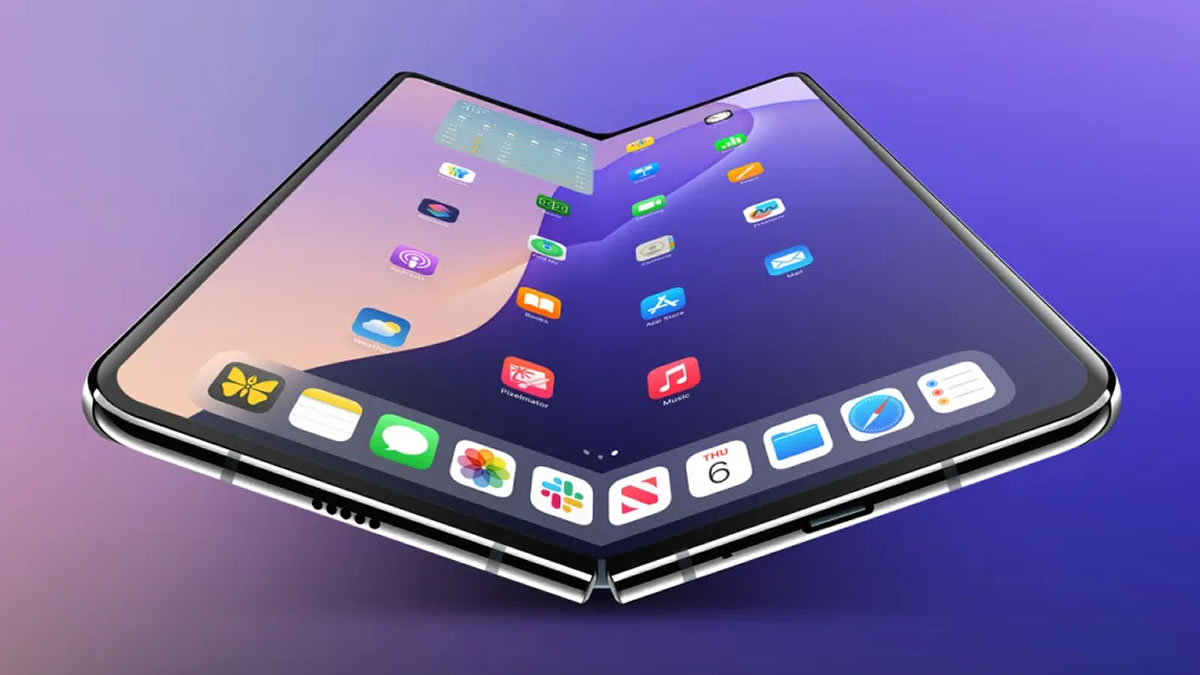
Apple’s first foldable iPhone has been announced, but its arrival is still ahead. iPhone Duo pre-orders begin on October 16, with the first release scheduled for October 23. That makes it a separate buying decision from the iPhone 18 Pro launch, rather than another phone already on store shelves.
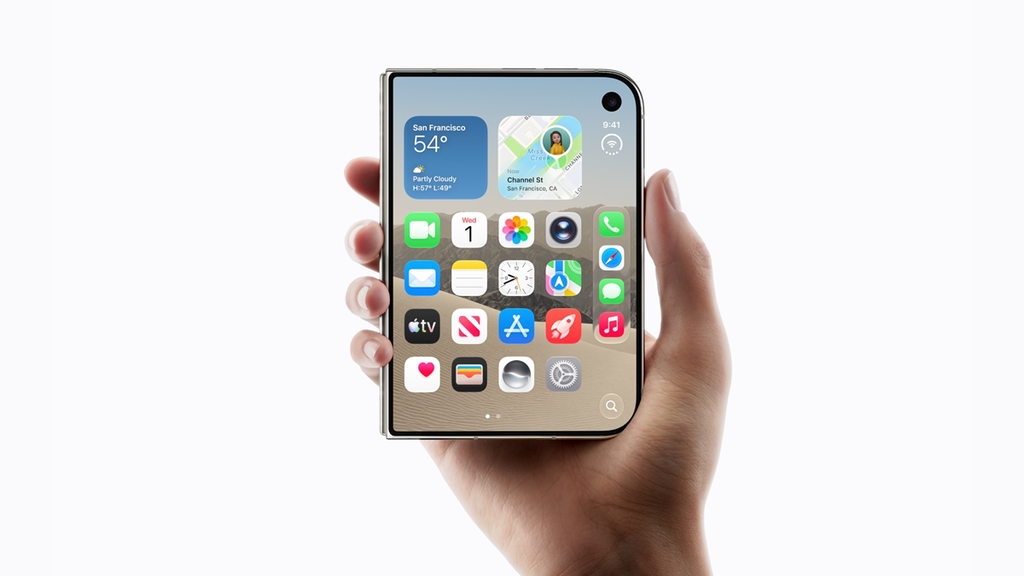
For anyone considering an upgrade this autumn, the useful question is whether the larger folding screen solves something their current phone struggles with. The answer depends more on everyday habits than on the novelty of opening a handset like a book.
The October dates to keep in mind
Apple’s September 9 announcement lists pre-orders at 5 a.m. Pacific Time on October 16. Initial availability covers more than 70 countries and regions, including the U.S., UK and Türkiye. Another 28 markets follow on October 30.
U.S. pricing starts at $1,999 for 256GB, with larger storage options available. Treat that as a U.S. starting price, not a conversion guide for other countries. Before planning a purchase, check the local Apple store for the relevant configuration and regional availability.
A bigger workspace is the main attraction
On its iPhone Duo product page, Apple shows a 7.6-inch inner display and Split View multitasking. The practical appeal is being able to keep two apps visible: reading an email while checking another document, for example, without repeatedly switching screens.
Apple also demonstrates moving a photo from Photos into Mail and using the phone propped up for a hands-free call. These are more useful ways to judge the format than simply comparing diagonal screen measurements. Think about the task you would actually perform on the larger display during a normal week.
The outer screen still handles ordinary phone use when the device is closed. That flexibility matters: a folding handset needs to be comfortable for quick messages as well as for longer sessions on its bigger display.
Some headline features have their own timetable
The announcement says iPhone Duo will ship with iOS 27.1. Apple Pencil with USB-C support is listed for later this year, rather than as a feature to assume will be ready on the first day. Buyers who specifically want handwriting or sketching should keep that distinction in mind.
Likewise, a product announcement cannot tell us how the hinge, inner screen and software will feel after months of daily use. Apple describes the materials and construction, but long-term ownership is a different question. This is a preview of the announced product, not a hands-on durability review.
What to check before October 16
Start with the apps you use most. Would seeing two at once save meaningful effort, or do you usually complete one short task and put the phone away? Then consider where you would use the unfolded screen: on a commute, at a desk or while travelling.
There is time to make that list before ordering opens. Compare local pricing, the storage you need and the features promised for launch. If the larger workspace is the reason to buy, let that use case drive the decision rather than expecting every feature shown in September to arrive on the same date.