
Apple’s Designers of Tomorrow Puts the iPhone at the Start of Creative Work
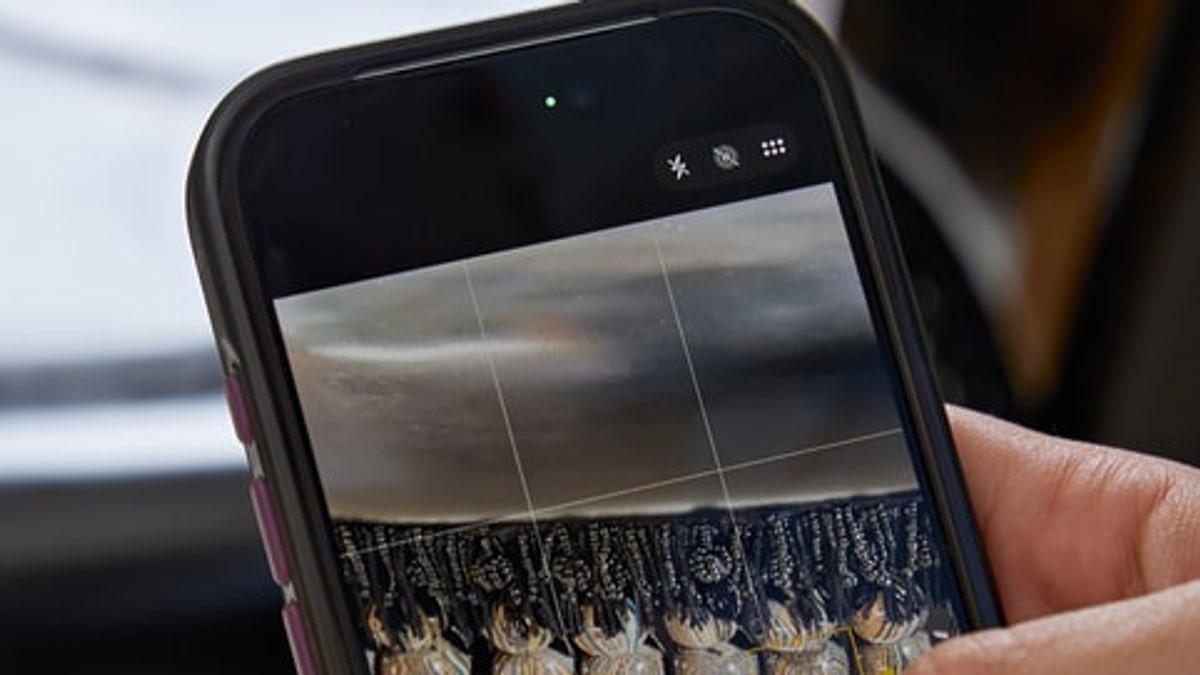
Isabel Rower uses an iPhone to catch quick thoughts and record work in progress. Her visual archive lives on MacBook Pro, and Keynote helps her put images beside text. The chair she made for Apple's Designers of Tomorrow exhibition came out of a process involving several tools, with a different job for each.
Apple's October 20 introduction to the 2026 showcase follows four design practices. The exhibition opened that day at Hôtel de Maisons in Paris, in collaboration with Design Miami. Curator Rodman Primack chose presence as its theme. The works ask people to pay attention to familiar materials and objects.
A phone captures what the maker notices
Rower's Padded Chair 1860 draws on eighteenth- and nineteenth-century papier-mâché furniture. Its glossy surface and ceramic fringe offer different sensations: the beads make a sound when someone brushes them. Her account places the iPhone in the documentation stage, rather than naming it as a substitute for every other tool.
That is a useful starting point for a creator choosing equipment. Quick references need to be collected somewhere, then organised so they can be found again. Rower describes a phone, an archive on a computer and a presentation app for exploring relationships. None of those jobs disappears when the camera improves.
Two designers, no shared desk
Parafernalia's Genki Matsumura and Sebastián Zorrilla work between Monterrey and Mexico City. They describe using iPhone and iPad Pro to exchange sketches and track progress, with Messages, FaceTime, Procreate and iCloud connecting their discussions.
Their MonoAmbiente 1 has two states. Closed, it presents a stainless-steel surface; opened, it reveals stools and a table. The project came from conversation across distance, and the communication tools were part of that work. Apple's account does not describe a single app doing all of it.
Modelling and material work come next
Salem S. Charabi mapped the components of The Emergence of Light on MacBook Pro, using sketches and 3D models. The finished lantern brings together paper, carefully stacked palm material and limestone. Yoonjeong Lee's New Form uses worn pencils and thousands of veneer sheets; she sketches with iPad Pro and Apple Pencil and credits Notes, AirDrop and iCloud for connections between devices.
The accounts offer different answers to the same equipment question. A phone can help preserve a passing observation, while detailed modelling or a drawing session may call for another tool. They are designers' descriptions in an Apple-curated exhibition, not our comparative hardware tests.
For a narrower filming task, our Final Cut Camera 2.4 report explains controls tied to iPhone 18 Pro hardware. Those specific requirements should be checked separately from the more general act of documenting a creative process.